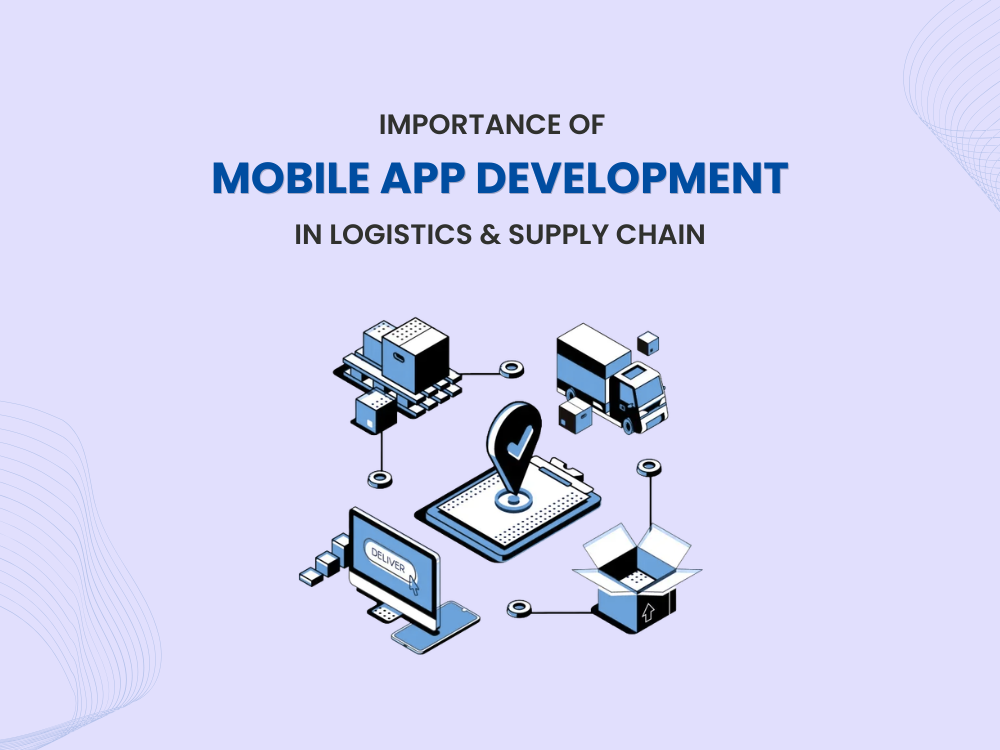
In today's era, where digital transformation is redefining every industry, the supply chain and logistics sector is also undergoing a similar major shift. As this sector evolves, digital transformation has transitioned from a modern convenience to a strategic necessity. Mobile apps for transportation companies play a very important role in this transition by replacing outdated manual systems with automated and highly accurate tracking.
According to recent 2026 budget trends, "approximately 38% of logistics providers are now allocating more than 25% of their total annual budgets specifically to digital technology." To simplify workflows, many businesses are now prioritising mobile applications and digital platforms. These supply chain management apps help in connecting the office directly to the field, offering a transparent view of the entire supply chain.
They help reduce fuel costs, optimise routes, and ensure drivers have all the information they need right at their fingertips. However, many supply chain and logistics businesses still assume that mobile applications are only necessary for technology startups or consumer-facing businesses.
To address such misconceptions, this blog will specifically highlight the importance of mobile applications in logistics and supply chains.
The Growing Role of Mobile Technology in Logistics
The logistics industry is adopting a mobile-first strategy worldwide, leading to greater precision and flexibility. According to Market Research Future analysis, the logistics management software market is projected to grow from USD 10.9 billion in 2024 to USD 22.3 billion by 2032. The market is further expected to grow at an annual rate of 8.31%, with logistics apps playing a significant role.
A few of the key drivers of this growth include:
Regulatory Compliance:
Mobile applications have become very important for ensuring compliance with stricter global transportation and safety standards. These apps automate compliance tracking and documentation, significantly reducing the risks and rising costs associated with non-compliance.
Rising E-commerce Demand:
The massive boom in online shopping is largely driving demand for logistics management software. Modern apps make it much easier to handle complex order fulfillment and last-mile deliveries, keeping the operation running smoothly and customers happy.
Technological Advancements:
Modern innovations like AI and IoT are enabling mobile apps to handle everything from live tracking to spotting trends before they happen. When firms use these tools to their full potential, they can lower their total costs by 30% and stay ahead of their competition.
Focus on Supply Chain Resilience:
Companies are prioritising resilience more than ever, and mobile apps provide the clear visibility needed to manage those risks. These technologies ensure that a company can remain flexible and continue operating even when things don't go as planned by enabling immediate monitoring and prompt actions.
Integration of Sustainability Practices:
Mobile apps are increasingly used to drive eco-friendly operations through route optimisation and waste reduction. These apps enable companies to tap into the massive $10 billion sustainable logistics market, making it easier to meet environmental goals and satisfy modern consumer expectations.
Key Benefits of Mobile Apps in Supply Chain Management
The top five benefits of supply chain management apps are:
Real-Time Visibility & Tracking
One of the best benefits of using a mobile app in supply chain operations is real-time visibility and tracking that travels with the operation. These apps act like a live dashboard for your entire supply chain. Managers can view and track inventory levels, shipment locations, document readiness, updated ETAs and delays.
Hence, instead of waiting for reports or logging into systems, teams can instantly track shipment information. This promptness allows operations teams to respond to issues immediately as they arise.
Streamlined Fleet & Warehouse Operations
Managing vehicles and inventory requires precision that manual logs simply can't provide. Businesses can optimise storage space and check vehicle health and driver performance in real time by implementing a specialised fleet management mobile app.
This approach removes the messy manual paperwork, making it much easier for teams to stay coordinated and keep the entire operation running smoothly.
Faster Last-Mile Delivery
The final leg of the journey is usually the most expensive and time-consuming part of the process. Mobile apps accelerate last-mile delivery by providing drivers with optimised routes that bypass traffic and construction in real time.
This ensures packages reach their final destination faster, lowering fuel costs while also keeping customers informed of accurate arrival times.
Cost Reduction & Operational Efficiency
Cutting down on unnecessary expenses is vital for any logistics company. Mobile apps help achieve this by digitising paperwork and automating manual data entry, which significantly lowers administrative overhead.
When teams can manage tasks on the go, they avoid costly errors and delays. This allows the business to operate much more leanly and effectively.
Better Data Accuracy and Accountability
When updates are delayed or entered manually at the end of the day, there is a high chance of errors. Mobile apps enable more accurate data collection by allowing adjustments at the source.
So, instead of guessing, you can use app-generated reports to spot trends, predict peak seasons, and adjust resources accordingly. This high-level visibility ensures that every decision is backed by real numbers, leading to more predictable and sustainable business growth.
Must-Have Features of a Logistics Mobile App
Successful logistics mobile app development requires a set of must-have features. You need to build features according to unique user categories, which include:
For Admin
- Fleet and Driver Management: Oversee driver assignments, vehicle maintenance schedules, and performance indicators to ensure that the fleet runs smoothly and efficiently.
- Monitoring and Tracking Vehicles in Real-Time: Manage delivery assignments and track vehicle locations, driver speed, route deviations, and stop durations in real time via GPS, geofencing, and IoT integrations.
- Interactive Dashboard and Analytics: The dashboard provides detailed reports on driver efficiency, fuel usage, and delivery times to identify bottlenecks and optimise operations. And advanced analytics help managers forecast risks and improve resource allocation.
- Alert Systems and Notifications: Automated alerts for delays, maintenance needs, or compliance issues keep operations running smoothly.
For Drivers/Field Staff
- Job Assignments and Navigation: Receive tasks with optimised routes using map integration, which reduces travel time and increases efficiency.
- Delivery Status Updates: Enables the delivery person to update statuses in real time when items are picked up or delivered, ensuring accurate tracking for both admins and customers.
- Digital Proof of Delivery: The app allows drivers to upload digital signatures, photos, or barcodes to confirm successful deliveries and reduce disputes.
- In-App Messaging with Dispatchers: Allows drivers to communicate directly for real-time updates, such as road closures or customer requests.
For Customers
- Order Placement and Real-Time Order Tracking: Place orders and track shipments in real-time on a user-friendly interface for easy progress monitoring.
- ETA Notifications: Receive alerts on order confirmation, accurate estimated arrival times, delays, and successful delivery with the help of push notifications or email.
- Multiple Payment Gateway Integration: Access to credit cards, net banking, UPI, and corporate invoicing for seamless payments.
- Rating and Support Access: Rate driver performance and assist customers who encounter problems, helping improve service quality and build consumer trust.
How Mobile Apps Solve Common Logistics Challenges
The logistics industry often faces several challenges that slow growth. This is exactly why logistics mobile app development has become a top priority for companies looking to stay organised. Here's how mobile apps solve common logistics challenges:
Communication Gaps
Instead of coordinating on endless phone calls, the office and drivers can stay connected through instant updates. This ensures everyone remains on the same page.
Unpredictable Delays
Drivers regularly deal with things like heavy traffic, sudden road closures, and vehicle issues. Mobile apps use live GPS data to suggest new routes, making it much easier for teams to stick to their delivery schedules.
Manual Paperwork Errors
Physical logs and delivery receipts are easily lost or misread. Switching from these to digital interfaces eliminates the risk of lost paperwork or unreadable handwriting. It helps in maintaining a proper record of every transaction and movement.
Operational Bottlenecks
Many companies struggle with manual coordination, which creates constant bottlenecks that slow down the entire supply chain. Partnering with the best app developers in India enables businesses to build custom tools that automate dispatch and route planning, resulting in a much smoother workflow.
Future of Mobile Apps in Logistics
The logistics industry is evolving rapidly, empowered by emerging technologies and shifting business priorities. As the supply chain faces new challenges and customer expectations evolve, logistics apps also become very important for maintaining transparency, efficiency, and sustainability.
But to stay competitive, companies need more than a standard tracking app. The next few years will see mobile apps move beyond simple tracking to become the actual brain of the supply chain. Integrating emerging technologies enables companies to build intelligent, future-ready systems that improve efficiency and customer satisfaction.
AI, machine learning, IoT, sustainability, and Blockchain-powered advanced features will significantly drive the next phase of mobile app development services in India. These future trends highlight the importance of innovation and the development of logistics apps as a valuable tool for businesses looking to increase revenue.
Conclusion
Trying to manage a supply chain and logistics with physical paperwork and disconnected systems is very difficult in today's world. Mobile apps bridge the gap between the warehouse and drivers on the road, ensuring every shipment is handled with care and every resource is used effectively.
Utilising mobile apps is the most effective way to future-proof your supply chain and stay ahead of the competition.
So, if you are ready to embrace a more efficient, mobile-first strategy, 5Mindz Technolabs has the experience to deliver exactly what you need. Contact us today to learn how we can help you build a smarter, more efficient future for your supply chain.